
Day 2 of the "Innovation on Main Street" Series
Here's a headline you probably didn't expect to read in your morning coffee scroll: Going green is now a profit strategy.
That's right. In 2026, sustainability isn't just for big corporations with massive PR budgets and rooftop gardens. According to Forbes, small and mid-sized businesses are leading the charge on eco-friendly upgrades, and they're seeing real returns on their investments. The Wall Street Journal recently reported that local businesses adopting green practices are cutting operational costs by up to 25% while attracting a new wave of environmentally conscious customers.
If you've been wondering whether sustainable upgrades are worth the hassle (or the upfront investment), this one's for you. Let's break down what's happening on Main Street, and how you can get in on the action.
Why Sustainability Is No Longer Optional
Have you noticed your customers asking more questions about where your products come from? Or how your business handles waste? You're not imagining things.
USA Today highlighted a 2025 survey showing that 73% of consumers now factor sustainability into their purchasing decisions, even when shopping local. That's a seismic shift from just five years ago.
But here's the kicker: going green isn't just about winning hearts. It's about winning wallets, including your own.
CNBC recently featured several small business owners who reported that simple eco-upgrades (like LED lighting and smart thermostats) paid for themselves within 12 to 18 months. After that? Pure savings.
"Sustainability is increasingly shifting from aspirational goals to concrete business strategy."
, Business Insider, January 2026
The bottom line: customers expect it, regulations are catching up, and the math finally makes sense.
The Top Eco-Friendly Upgrades Local Businesses Are Making Right Now
So what does "going green" actually look like for a bakery, a landscaping company, or a neighborhood auto shop? Here's what's trending, and working, in 2026:
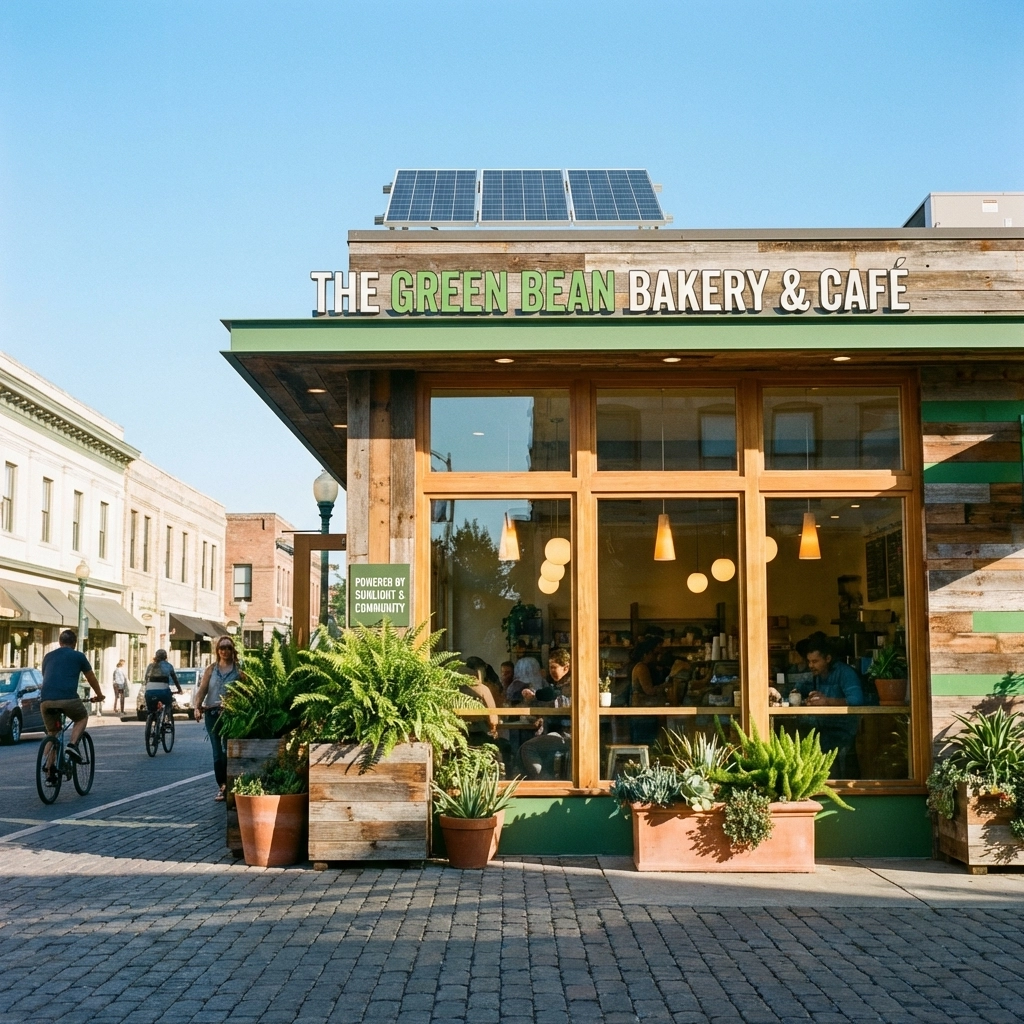
1. Energy Efficiency First, Renewables Second
Before you rush to install solar panels on your roof, take a breath. Forbes recommends starting with an energy audit to identify where you're bleeding electricity (and cash).
Quick wins include:
- Upgrading to LED lighting – uses up to 75% less energy than traditional bulbs
- Installing programmable thermostats – no more heating an empty shop at 3 AM
- Sealing drafts and improving insulation – especially for older storefronts
- Maintaining HVAC systems – a clean filter works wonders
Once you've trimmed the fat, then consider renewables like on-site solar, wind contracts, or green energy tariffs. According to The Wall Street Journal, businesses that optimize consumption first see faster ROI on renewable investments.
2. Embrace the Circular Economy
What if your "waste" could become a new revenue stream?
That's the idea behind the circular economy, and it's catching fire with local businesses. Inc. Magazine recently profiled a furniture repair shop in Oregon that doubled its revenue by offering refurbishment services instead of just selling new products.
Ways to get circular:
- Offer repair or refurbishment services for products you sell
- Design for durability – customers will pay more for items that last
- Partner with recyclers to repurpose materials instead of trashing them
- Create a take-back program for used items
Not only does this reduce your environmental footprint, but it also builds customer loyalty. People love businesses that help them keep things rather than constantly replace them.
3. Get Transparent About Your Supply Chain
Here's something that might surprise you: your customers are paying attention to where your supplies come from.
The New York Times reported that consumers increasingly expect "granular data" on carbon footprints and resource use, even from small, local businesses. That sounds intimidating, but it doesn't have to be.

Start simple:
- Ask suppliers about their sustainability practices – you'd be amazed how many are eager to share
- Highlight local sourcing on your website and signage
- Collaborate, don't dictate – work with key suppliers to reduce materials and emissions together
According to Harvard Business Review, this collaborative approach builds trust and supply chain resilience, two things every small business needs in uncertain times.
4. Support Local Biodiversity (Yes, Really)
Okay, this one sounds a little crunchy, but hear me out.
USA Today featured a growing movement of small businesses investing in green infrastructure: think planters, green roofs, pollinator gardens, and tree planting. Why? Because it strengthens community relationships, influences local planning decisions, and builds goodwill with customers who care about their neighborhoods.
A coffee shop in Austin installed a small rooftop garden and saw a 15% bump in foot traffic within three months. People came for the Instagram photos: and stayed for the lattes.
5. Water Stewardship Matters More Than Ever
If your business uses significant water (restaurants, car washes, landscaping, manufacturing), this one's for you.
Bloomberg recently warned that water scarcity is becoming a real operational risk in many U.S. regions. Smart businesses are getting ahead of it by:
- Installing low-flow fixtures
- Recycling greywater where permitted
- Monitoring usage with smart meters
- Training staff on conservation practices
It's not glamorous, but it protects your bottom line: and your community.
How to Fund Your Green Upgrades (Without Breaking the Bank)
Here's where a lot of business owners get stuck. You want to make these improvements, but the upfront costs feel daunting.
Good news: there's more funding available for eco-friendly business upgrades than ever before.
The Wall Street Journal recently outlined a surge in green financing options, including SBA loans with favorable terms for sustainable improvements, equipment financing for upgrades such as LED and energy-efficient machinery, and working capital lines specifically designed for eco-upgrades.
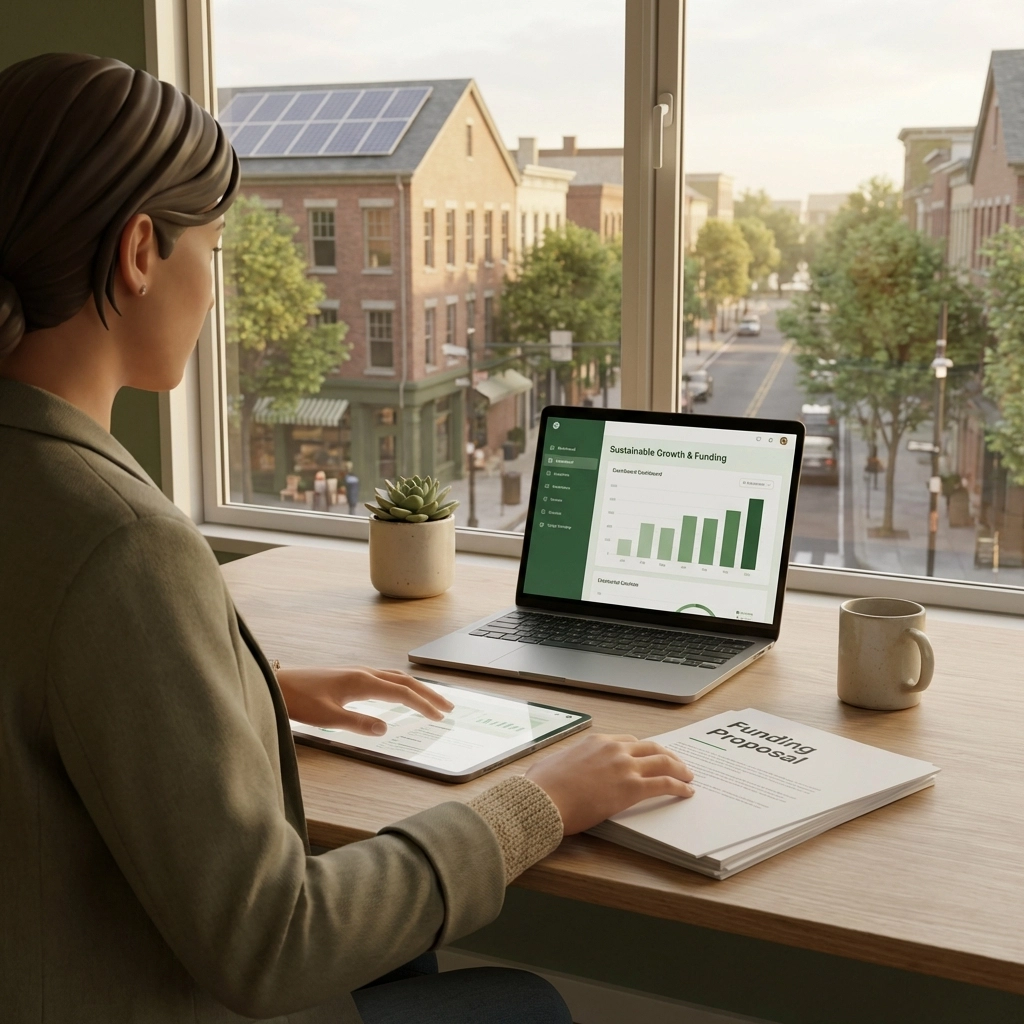
Your funding checklist:
- Equipment financing – Ideal for solar panels, HVAC upgrades, LED Lighting upgrades or energy-efficient appliances
- Working capital loans – Cover the cost of audits, materials, and smaller improvements
- SBA/USDA programs – Often include incentives for green initiatives
- Business credit cards with 0% intro rates – Perfect for quick wins
And here's the best part: many of these upgrades pay for themselves through energy savings, meaning your loan essentially funds itself over time.
Ready to Make Your Move?
Sustainability isn't a trend: it's the new baseline for doing business in 2026. Whether you're swapping out light bulbs or overhauling your supply chain, every step forward counts.
And if funding is the thing standing between you and your green goals, you don't have to figure it out alone.
At Simplified Capital, we've spent 23 years helping small business owners just like you access fast, flexible funding for equipment, working capital, and everything in between. We'll help you find the right solution: without the pressure, without the hassle.
Your next chapter of growth is waiting. Let's make it a green one.

dream…grow…succeed
Since 2002 (23 years), Simplified Capital—A+ BBB accredited—has helped small businesses secure fast, flexible funding. Need equipment financing, working capital, SBA/USDA options, construction materials financing, or business credit cards with intro rates as low as 0%? Call, email, or visit now for a free, no-pressure funding plan. Let’s make your next season of growth happen—together.
Phone: (866) 810-1305 | Email: info@simplifiedcapital.com | Website: www.simplifiedcapital.com