

January 6, 2026 : The numbers don't lie: U.S. manufacturing is staging a dramatic comeback, and the momentum is building fast. Private sector companies have committed over $500 billion to semiconductor manufacturing alone, while deal activity in industrial manufacturing has hit levels not seen in years.
But here's what's really driving this surge: and it might surprise you.
The Real Story Behind the Headlines
While "global investors" grab the headlines, the truth is more nuanced. This manufacturing renaissance is primarily powered by a perfect storm of federal policy incentives, corporate reshoring strategies, and domestic investment commitments that are reshaping how American companies think about production.
The policy drivers are impossible to ignore:
- Permanent 21% corporate tax rates providing long-term planning certainty
- Immediate expensing for facility construction costs
- Strategic tariff policies pushing companies to rethink global supply chains
- Massive federal investments in semiconductors, metals, and critical materials
Translation? Washington has basically rolled out a red carpet for domestic manufacturing, and companies are responding in a big way.
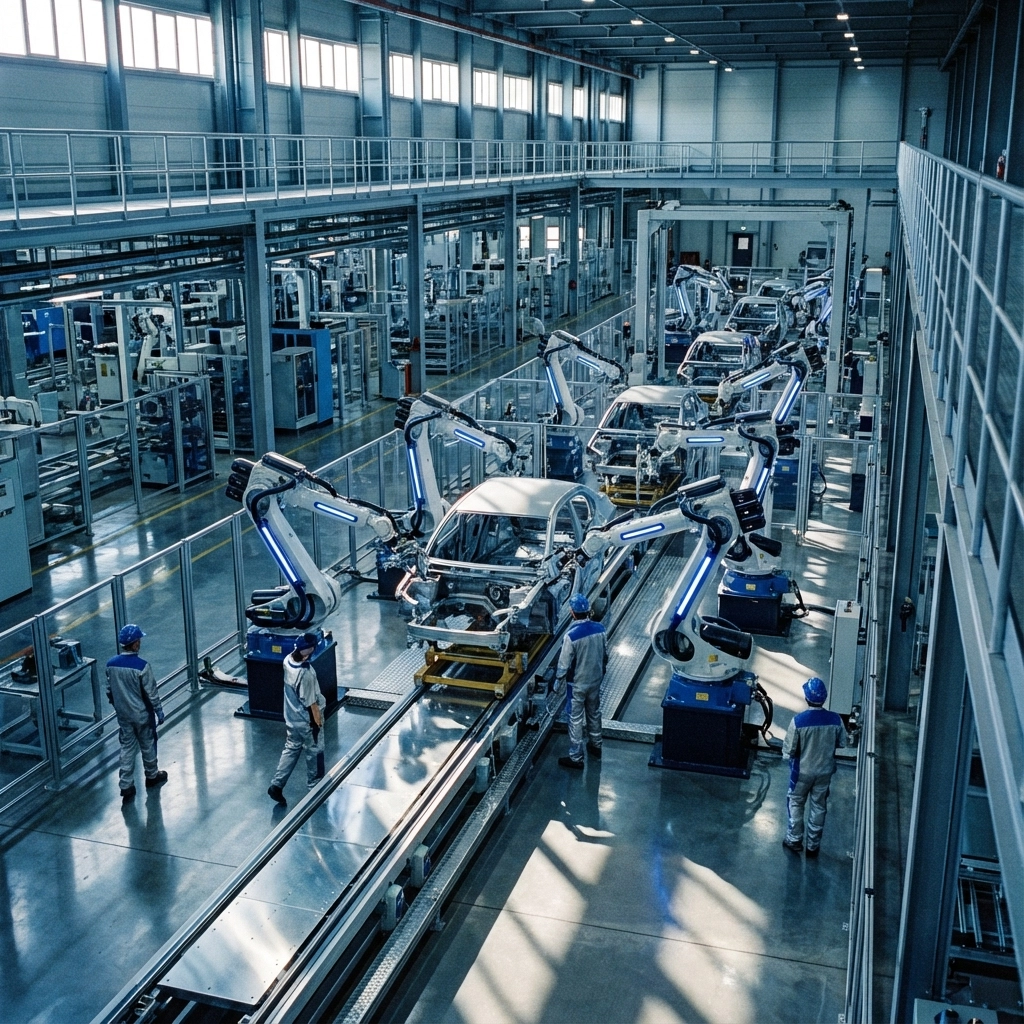
Follow the Money: Where Investment is Actually Flowing
The semiconductor boom is grabbing most attention, but that's just the tip of the iceberg. Here's where the real action is happening:
Data Center Explosion: Manufacturers of transformers and power systems are already sold out for multiple years. Think about that: we're talking about industrial equipment with lead times stretching into 2028 and beyond.
Automation and AI: Companies are acquiring targets in automation, electrification, and AI-enabled manufacturing systems. Megadeals (transactions over $5 billion) drove more than two-thirds of total deal value in 2025.
Job Creation Pipeline: Semiconductor manufacturing alone is expected to create over 500,000 jobs by 2032. That's not just assembly line work: we're talking engineers, technicians, and skilled manufacturing roles.
What This Means for Your Business Right Now
If you're running a manufacturing operation, service business, or anything connected to industrial supply chains, this trend creates both opportunities and challenges:
The Opportunity Side:
- Increased demand for U.S.-made components and services
- More predictable domestic supply chains
- Government incentives potentially available for expansion or modernization
- Job market improvements in manufacturing regions
The Reality Check:
Despite all the positive momentum, some analysts project overall growth could be "essentially flat" due to tariff uncertainty and broader economic headwinds. The manufacturing comeback is real, but it's not happening in a vacuum.

Smart Moves for Business Owners
1. Evaluate Your Supply Chain Dependencies
Are you overly reliant on overseas suppliers? Now might be the time to explore domestic alternatives: especially if tariffs are eating into your margins.
2. Consider Equipment Financing Opportunities
With immediate expensing benefits still available and increased domestic production demand, upgrading your equipment could pay dividends. Just remember those transformer lead times we mentioned.
3. Think About Your Workforce Strategy
Manufacturing job growth is coming, but skilled positions will be competitive. Are you positioned to attract and retain the talent you'll need?
4. Stay Agile with Your Financial Planning
The policy environment is driving this boom, but policies can change. Make sure your financing structure can adapt to different scenarios.
The Financing Reality Check
Here's something the headlines don't tell you: all this growth requires capital, and traditional lending often moves too slowly for businesses trying to capitalize on emerging opportunities.
Whether you're looking to expand operations, upgrade equipment, or increase working capital to meet growing demand, having the right financing partner becomes crucial. You need lenders who understand the current market dynamics and can move at business speed: not bank bureaucracy speed.

What's Next?
The manufacturing comeback is real, but it's not guaranteed to last forever. Policy winds can shift, and economic conditions change. The businesses that will thrive are those that:
- Move quickly on legitimate opportunities
- Maintain financial flexibility
- Focus on sustainable growth rather than speculation
- Partner with lenders who understand their industry
Smart business owners are already positioning themselves to benefit from this manufacturing surge. The question is: will you be ready when the next wave of opportunities hits?
Remember, Simplified Capital has been helping businesses navigate financing challenges since 2002: through booms, busts, and everything in between. When you need capital to grow with the market, experience matters.
The manufacturing comeback is happening. The only question is whether your business will be part of it.

dream…grow…succeed
Contact Simplified Capital Today:
Website: www.simplifiedcapital.com
Phone: (866) 810-1305
Email: info@simplifiedcapital.com